Copyright © 2023 Jiaxing Xinhan Technology Co.,Ltd. All rights Reserved.
Links Sitemap RSS XML Privacy Policy
Self tapping nails are engineered fastening solutions designed to penetrate substrates and form their own internal threads during installation, eliminating the need for pre-drilling in many applications.
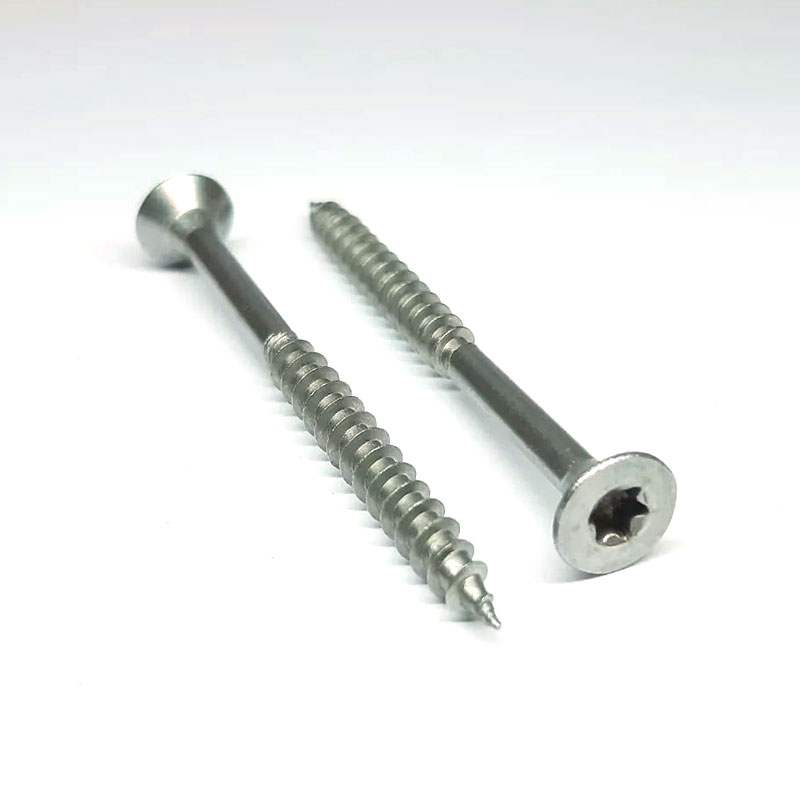
The central objective of this discussion is to explain how self tapping nails function within real-world fastening systems, how their technical parameters influence outcomes, and how evolving market expectations are shaping their adoption. By addressing these aspects through a structured, technical lens, the article supports procurement managers, engineers, and contractors in evaluating self tapping nails for both current and future projects.
Self tapping nails are commonly applied in steel framing, drywall systems, wood-to-metal joints, thin sheet metal assemblies, and modular construction components. Their value lies not only in speed of installation but also in predictable load behavior when matched correctly to substrate thickness and hardness.
Key Technical Parameters of Self Tapping Nails
| Parameter | Typical Specification Range |
|---|---|
| Material | Carbon Steel, Stainless Steel (304/316), Alloy Steel |
| Surface Finish | Zinc Plated, Black Phosphate, Ruspert, Mechanical Galvanized |
| Diameter | 2.5 mm – 6.5 mm |
| Length | 10 mm – 150 mm |
| Thread Type | Fine Thread, Coarse Thread, Hi-Lo Thread |
| Point Type | Sharp Point, Drill Point |
| Tensile Strength | ≥ 550 MPa (carbon steel standard) |
| Corrosion Resistance | 24 – 1000+ hours salt spray (depending on coating) |
| Application Substrate | Wood, Light Gauge Steel, Aluminum, Composite Panels |
These parameters directly influence fastening integrity, installation torque requirements, and long-term durability under mechanical and environmental stress.
The defining characteristic of a self tapping nail is its ability to create a mating thread as it advances into the base material. This is achieved through a hardened tip geometry and a precisely rolled thread profile that displaces material rather than removing it.
During installation, axial force and rotational torque work simultaneously. The point initiates penetration, while the thread progressively forms internal grooves in the substrate. This process increases contact surface area, resulting in stable clamping force once the head seats against the material surface.
From an engineering perspective, installation reliability depends on three primary variables:
Substrate Thickness and Hardness: Thin gauge steel or softwood allows efficient thread formation, whereas thicker or hardened steel may require drill-point variants.
Thread Geometry: Fine threads distribute load evenly in metal, while coarse threads provide superior pull-out resistance in wood or composites.
Coating and Lubricity: Surface treatments reduce driving torque and prevent galling during high-speed installation.
Automated assembly lines and handheld power tools both benefit from self tapping nails due to reduced cycle time. In large-scale construction projects, this translates into measurable labor savings and improved schedule adherence.
Common Questions About Installation
Q: How does substrate selection affect self tapping nail performance?
A: Substrate thickness, density, and hardness determine whether a sharp-point or drill-point design is appropriate, directly influencing thread formation quality, holding strength, and installation torque stability.
Self tapping nails are evaluated not only on ease of installation but also on their mechanical and environmental performance over the service life of the assembly. Load-bearing capacity, vibration resistance, and corrosion behavior are critical in determining suitability for specific applications.
From a structural standpoint, pull-out strength and shear resistance are functions of thread engagement length and material interaction. Properly specified self tapping nails maintain joint integrity under cyclic loads, making them suitable for HVAC systems, metal roofing, and modular housing components.
Environmental exposure further complicates fastening decisions. Outdoor or high-humidity environments require enhanced corrosion protection to prevent red rust formation and loss of cross-sectional area. Advanced coating systems extend service life while maintaining consistent driving performance.
In regulated industries, compliance with regional standards and testing protocols is also a determining factor. Quality-focused manufacturers subject self tapping nails to torque testing, salt spray testing, and dimensional inspections to ensure batch-to-batch consistency.
Common Questions About Performance
Q: How is long-term fastening reliability evaluated for self tapping nails?
A: Reliability is assessed through a combination of torque retention testing, pull-out force measurement, corrosion exposure testing, and real-world application validation under mechanical and environmental stress conditions.
Global construction methods are evolving toward prefabrication, lightweight materials, and rapid assembly systems. Within this context, self tapping nails are increasingly specified as standardized fastening elements due to their adaptability and predictable performance.
Manufacturers are responding to market demand by refining thread designs, improving coating technologies, and expanding dimensional ranges. Sustainability considerations are also influencing material selection and surface treatment processes, aligning fastening solutions with broader environmental compliance goals.
Digital procurement platforms and just-in-time supply models further emphasize the importance of consistent quality and reliable technical documentation. Buyers expect clear specifications, traceable production batches, and responsive technical support when integrating self tapping nails into complex projects.
As a result, self tapping nails are no longer viewed as commodity fasteners alone, but as engineered components within integrated construction and manufacturing systems.
Within this evolving landscape, Xinhan continues to supply self tapping nails engineered for consistent performance across diverse applications. By maintaining strict control over material selection, thread precision, and surface treatment processes, Xinhan supports customers seeking dependable fastening solutions that align with modern construction and manufacturing requirements.
For project-specific inquiries, technical specifications, or customized fastening solutions, interested parties are encouraged to contact us to discuss application needs and procurement considerations directly with the Xinhan team.
Copyright © 2023 Jiaxing Xinhan Technology Co.,Ltd. All rights Reserved.
Links Sitemap RSS XML Privacy Policy