Copyright © 2023 Jiaxing Xinhan Technology Co.,Ltd. All rights Reserved.
Links Sitemap RSS XML Privacy Policy
In modern manufacturing and assembly lines, the choice of fasteners directly determines structural integrity, vibration resistance, and long-term reliability. Among all threaded fasteners, the machine screw stands out as a fundamental component for secure joining in metal‑to‑metal applications, electronic devices, automotive assemblies, and industrial machinery. Engineers constantly seek fasteners that provide consistent torque, high tensile strength, and corrosion resistance. As industries evolve toward lightweight designs and high‑density assemblies, the humble threaded fastener has undergone significant innovation. This article explores critical aspects of screw technology, application sectors, quality benchmarks, and how a specialized manufacturer contributes to this field with advanced triangular self‑locking solutions.
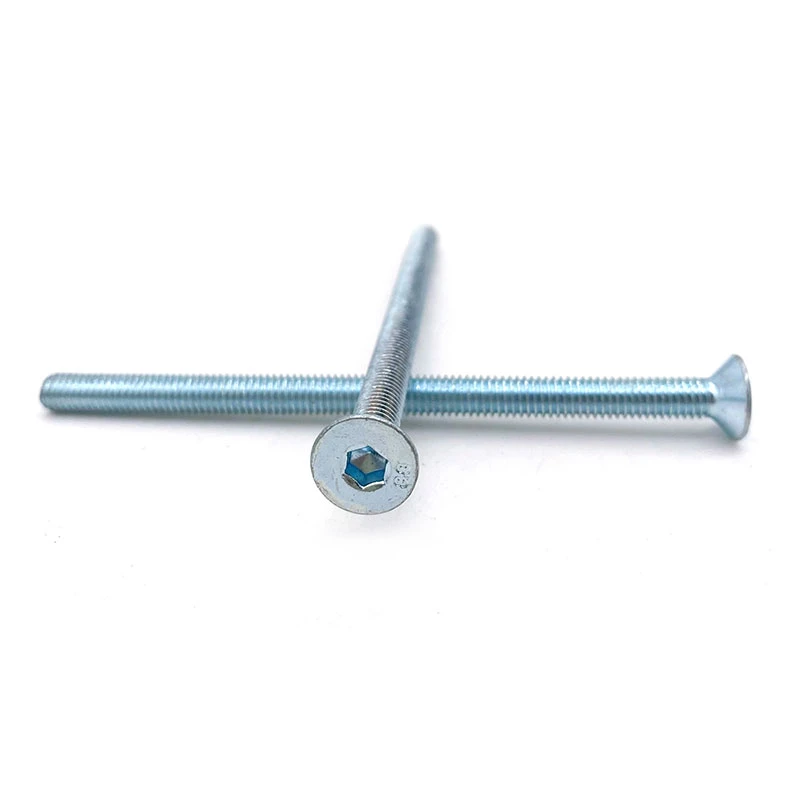
Unlike wood screws or self‑tapping screws, a traditional machine screw requires a pre‑threaded or tapped hole to form a secure joint. These fasteners are typically driven into a threaded insert, nut, or directly into a tapped component, ensuring precise clamping force without damaging the mating part. Applications range from aerospace panels to consumer electronics enclosures, from heavy equipment to delicate instrumentation. Mechanical properties – proof load, yield strength, and hardness – are standardized under international norms such as ISO, DIN, and ANSI. A well‑engineered screw reduces assembly time, prevents loosening under dynamic loads, and simplifies maintenance schedules. As production lines become automated, consistency in head geometry, thread profile, and plating thickness becomes non‑negotiable.
Performance of any threaded fastener depends on several interacting variables. Below is a comparative overview of characteristics influencing selection for industrial applications.
| Parameter | Low‑grade fasteners | Precision‑engineered fasteners |
|---|---|---|
| Thread consistency | Variable pitch, irregular flanks | Uniform helix angle, smooth flank finish |
| Material grain flow | Internal micro‑cracks, porosity | Homogeneous cold‑formed structure |
| Surface coating adhesion | Peeling or blistering under torque | Uniform layer with consistent friction coefficient |
| Vibration resistance | Gradual loosening over time | Self‑locking characteristics or prevailing torque |
| Corrosion protection | Limited salt spray hours | Extended protection through zinc‑alloy or Dacromet |
These parameters become even more critical when the fastener must function in high‑humidity environments or under cyclic loading. Many engineers now specify triangular‑based self‑locking thread forms that distribute stress evenly and prevent rotational loosening without additional adhesives or nylon patches. This evolution transforms the conventional screw into a smart fastening element.
Traditional round threads rely on friction between flank surfaces, which can degrade with vibration or thermal expansion. Triangular self‑locking geometry introduces a non‑circular thread profile – usually three lobes – that creates continuous radial interference when engaged with a standard internal thread. This design provides several engineering advantages. First, it eliminates additional locking elements such as washers, adhesives, or nylon inserts, streamlining inventory and assembly. Second, unlike deformed threads or adhesive‑based locks, the triangular lobe configuration maintains prevailing torque over multiple installation cycles, offering reusability. Third, the elastic deformation zone absorbs peak stresses, preventing thread galling in stainless steel or aluminum components and reducing strip‑out risk. Fourth, engineers achieve predictable preload without over‑torquing, improving joint fatigue life. This technology is especially beneficial for electronic chassis, automotive sensors, medical devices, and heavy transport equipment where maintenance cycles are long and access for re‑tightening is limited. When applied to a machine screw series, triangular self‑locking geometry elevates the fastener from a basic commodity to a performance‑critical component.
The base material defines the mechanical envelope of any fastener. Carbon steel, stainless steel (austenitic and martensitic), brass, and high‑strength alloy steel each serve different loads and corrosion requirements. Stainless steel A2 (304) and A4 (316) provide excellent resistance in marine or chemical environments, while medium‑carbon steel with zinc‑nickel plating is cost‑effective for automotive under‑hood applications. Beyond material, surface engineering plays a decisive role. Electroplated zinc offers sacrificial protection but needs careful hydrogen embrittlement relief for high‑hardness fasteners. Geomet or Dacromet coatings provide high corrosion resistance with excellent thermal stability, suitable for outdoor electrical cabinets. Phosphate and oil finish is common for internal engine components where oil lubrication is present. Black oxide adds minimal dimensional change and is used for decorative or moderate indoor applications. For high‑stress joints, shot peening or thread rolling after heat treatment further enhances fatigue strength. A manufacturer that controls every step – from raw material inspection to final coating thickness measurement – ensures that each batch meets the required tightening characteristic. This holistic approach to quality management directly impacts assembly line uptime and warranty claims.
Even experienced design engineers sometimes overlook subtle but critical details. The following table outlines frequent errors and their consequences, plus recommended preventive measures.
| Mistake | Potential consequence | Preventive practice |
|---|---|---|
| Mixing coarse and fine thread series in same assembly | Cross‑threading, premature stripping | Standardize on one thread system per joint design |
| Ignoring head drive compatibility with automated tools | Bit slippage, cam‑out, reduced productivity | Select Torx, hexalobular, or hex head for power tools |
| Underestimating thread lubrication effect | Wide scatter in preload, possible bolt fracture | Specify friction coefficient range and apply consistent lubricant |
| Using non‑matching hardness between fastener and tapped component | Thread galling or seizing | Ensure similar hardness class or use anti‑galling coating |
| Selecting plating after thread rolling | Dimensional build‑up on pitch diameter | Apply thin‑film coating or specify after‑plate thread gauging |
Avoiding these mistakes requires close cooperation between design, procurement, and fastener engineering teams. It also demands a supplier that provides full dimensional reports, process control documentation, and material certificates. This is particularly true for customised screw variants with non‑standard lengths or head styles such as flat head, pan head, truss head, or socket cap.
In the automotive sector, thousands of fasteners are used per vehicle – from engine block assemblies to interior trim panels. A self‑locking machine screw is essential for alternator brackets, turbocharger heat shields, and transmission housings where vibration is intense. Electric vehicle battery trays also demand high‑strength fasteners with controlled galvanic compatibility to avoid corrosion between aluminum and steel components. For consumer electronics, miniaturisation drives the need for precision micro‑screws with thread diameters below two millimetres. These tiny fasteners must provide consistent torque without stripping the delicate plastic or magnesium housing. High‑end laptops, smartphones, and drones rely on such micro‑fasteners for structural rigidity. Meanwhile, heavy machinery – agricultural equipment, excavators, and railway rolling stock – demands large‑diameter screws with extreme tensile strength, often property class ten point nine or twelve point nine. The common thread across all sectors is the requirement for repeatable, reliable performance over thousands of cycles or years of exposure. Modern fastener manufacturers must therefore invest in advanced cold‑heading technology, CNC thread rolling, and automated optical sorting to maintain defect rates below parts per million.
To guarantee that each batch of fasteners meets engineering specifications, reputable manufacturers implement layered quality controls. Incoming raw material verification includes spectral analysis for alloy composition and tensile testing for wire rod. In‑process controls cover heading blow force, thread rolling parameters, heat treatment temperature uniformity, and coating thickness. Finished product testing involves hardness testing (Rockwell or Vickers), torque‑tension relationship measurement on a Skidmore‑Wilhelm or similar load cell, salt spray testing per ASTM B117 for corrosion protection validation, and thread gauge inspection using GO/NOGO gauges together with profile measurement. Lot traceability is another crucial element: each box should be marked with a batch number that links back to raw material certificates, production machine logs, and inspection records. This traceability allows end‑users to quickly identify and contain any non‑conformance. For safety‑critical applications such as braking systems or lifting equipment, third‑party testing and certification (for example from accredited laboratories) further reduces liability. The best manufacturers also provide technical support to help customers optimise tightening strategies, select appropriate lubricants, and define re‑torque schedules.
Comparing traditional thread forms versus the advanced triangular geometry reveals measurable improvements in vibration resistance. In standard dynamic testing (such as Junker test), round threads with plain surfaces lose significant preload within a few thousand vibration cycles. By contrast, a self‑locking design based on elastic recovery of the three lobes maintains clamping force over a longer duration without any additional chemical locker. This benefit translates into lower warranty costs, reduced field failures, and simpler assembly because operators do not need to apply liquid threadlockers or handle separate locking patches. Moreover, because the locking effect is mechanical rather than frictional, the assembly torque remains stable over temperature cycles from sub‑zero to high heat. For designers working on robotics, drone propulsion systems, or railway signalling equipment, this predictability is invaluable. Given these advantages, industries are progressively migrating from plain fasteners to triangular self‑locking versions, especially for internal and semi‑accessible joints. The machine screw platform is particularly well‑suited for this upgrade because it already requires a tapped hole – adding the triangular profile does not change installation method but drastically improves performance.
Modern production of threaded fasteners involves multi‑stage cold forming machines that convert wire coils into finished blanks at high speed without material loss. Cold heading imparts favourable grain flow lines that follow the head and shoulder contour, increasing fatigue strength compared to machined from bar stock. After heading, thread rolling is the preferred method: it displaces material rather than cutting it, resulting in work‑hardened thread flanks with enhanced shear resistance. For triangular self‑locking forms, special rolling dies create the non‑circular lobe pattern while maintaining compatibility with standard internal threads. Additional operations include drilling for captive washers, point forming for self‑piercing variants, and secondary turning for shoulder bolts. Environmental considerations also shape modern manufacturing: closed‑loop water treatment systems, energy‑electric induction heat treatment, and near‑zero waste coating lines reduce the carbon footprint. A facility that has integrated smart sensors into each production machine can monitor vibration, temperature, and cycle counts, allowing predictive maintenance and real‑time quality control. This level of sophistication is not accessible to every workshop, but specialists who have invested heavily in Industry four point zero principles set a higher benchmark for consistency and delivery reliability.
When sourcing high‑performance threaded fasteners, engineering managers should evaluate several dimensions of a potential partner. Technical engineering support – including advice on clamp load calculations, thread fit analysis, and vibration test protocols – distinguishes a commodity reseller from a genuine manufacturer. In‑house tooling and die design capability ensures faster response for custom head stamps or special thread lengths. An accredited laboratory with calibrated torque testers, hardness testers, and metallurgical microscopes provides trustworthy quality data. Logistics and packaging also matter: anti‑rust VCI bags, layer‑separated boxes, and kanban delivery systems help assembly lines run smoothly. Another differentiator is industry‑specific experience: supplying to automotive tier‑one suppliers versus general hardware retail requires vastly different documentation, PPAP levels, and change management processes. The best fastener manufacturers engage with customers early in the design phase, offering value engineering suggestions that reduce part count or simplify assembly.
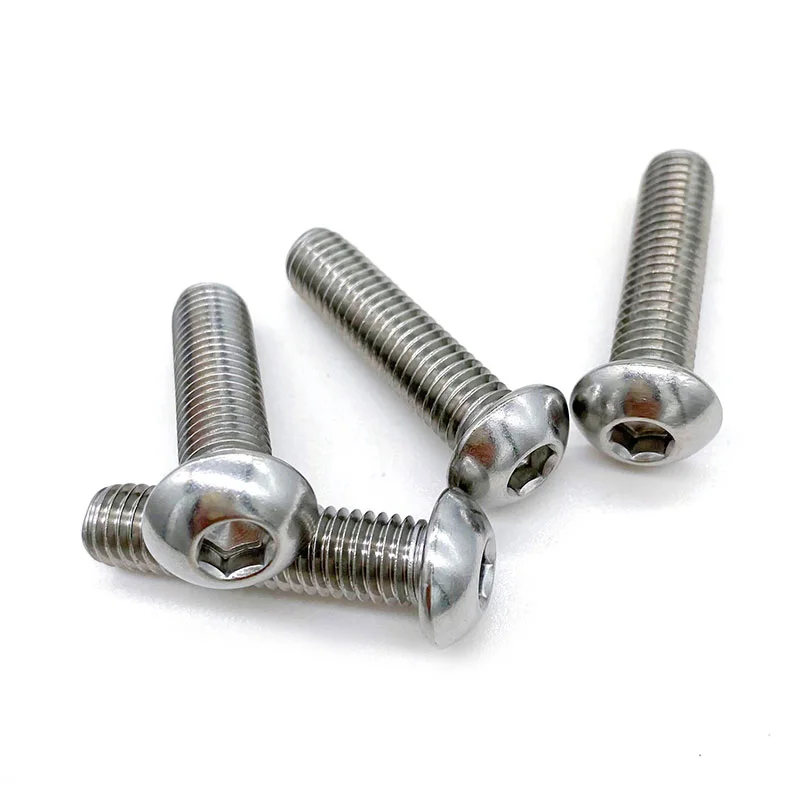
Founded in the year two thousand ten, Jiaxing Xinhan Technology Co., Ltd. has grown into a distinguished producer of advanced fasteners, specialising in triangular self‑locking screws, alongside precision screws and robust carriage bolts. Strategically located in the scenic Hangzhou Bay area, Haiyan County, Zhejiang Province, the company enjoys a prime geographical position approximately one hundred kilometres south of Hangzhou and north of Shanghai, providing exceptional logistical access to major industrial clusters. The manufacturing facility spans a considerable area and is staffed by a dedicated team of skilled technicians and engineers who manage the entire production chain – from raw material analysis to final packaging. Through continuous investment in cold‑heading technology, thread rolling equipment, and rigorous quality control protocols, Jiaxing Xinhan Technology Co., Ltd. delivers fasteners that meet international standards for strength, corrosion resistance, and dimensional precision. The company’s focus on triangular self‑locking technology demonstrates its commitment to solving industry’s most persistent problem: vibration‑induced loosening. Whether for automotive assemblies, electronic enclosures, or agricultural machinery, Jiaxing Xinhan Technology Co., Ltd. combines engineering knowledge with responsive service, ensuring that every fastener contributes to a safer, more durable end product. For global OEMs and industrial distributors seeking a reliable partner in advanced fastening, this manufacturer represents a benchmark of quality and technical competence.
In summary, the seemingly simple machine screw has evolved into a sophisticated component when engineered with proper material science, geometry innovations, and quality systems. Selecting the right fastener – and the right partner – directly impacts operational efficiency and product lifecycle. With ongoing advances in triangular self‑locking designs, manufacturers like Jiaxing Xinhan Technology Co., Ltd. are shaping the future of industrial fastening.
Copyright © 2023 Jiaxing Xinhan Technology Co.,Ltd. All rights Reserved.
Links Sitemap RSS XML Privacy Policy